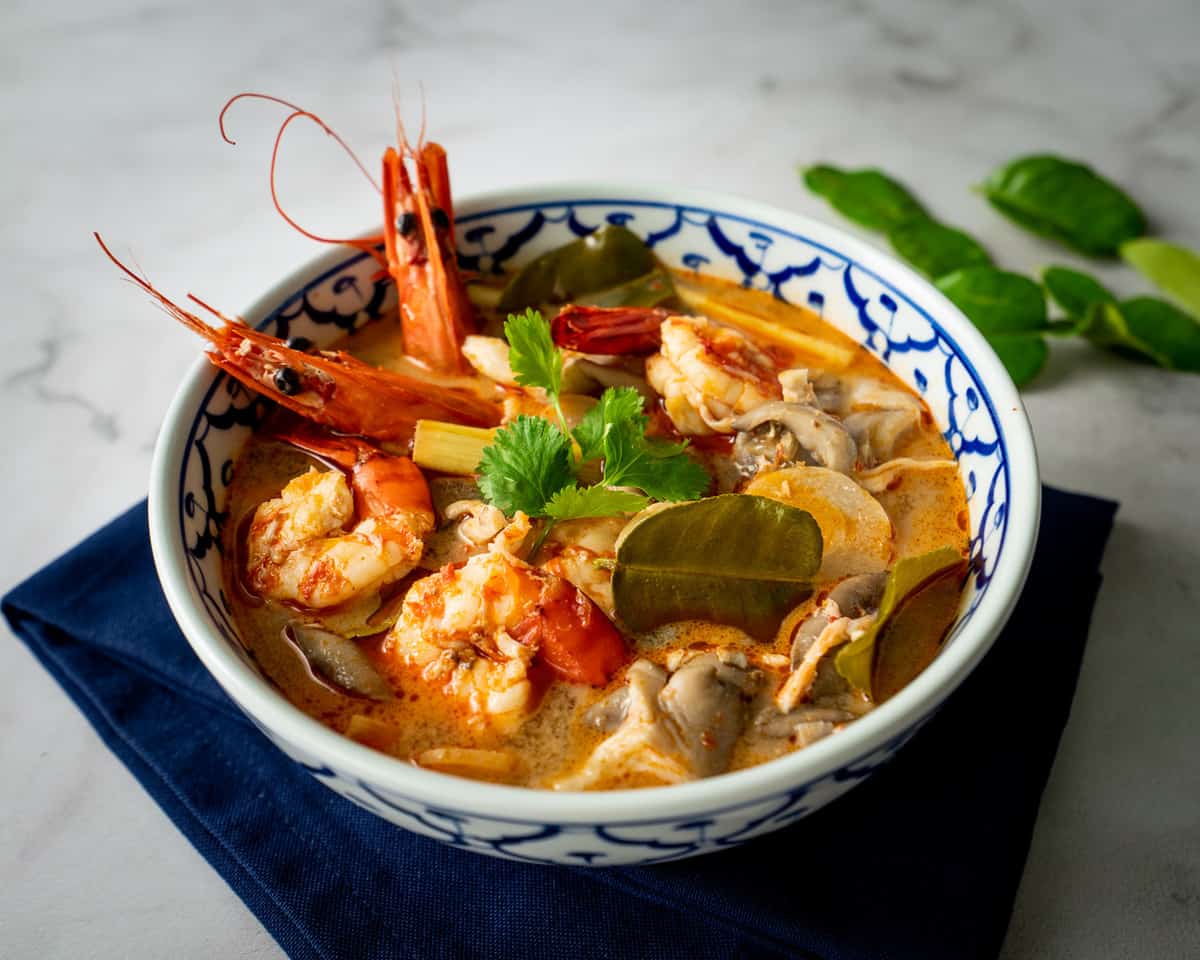
Unlock the Magic of Tom Yum: Thailand's Iconic Soup
Imagine a soup that electrifies your senses, a vibrant tapestry of flavors that dances on your palate, simultaneously sour, spicy, salty, and a whisper of sweet. This is the unparalleled experience of Thai Tom Yum soup, a dish that has transcended borders to become one of the world's most beloved and recognizable culinary masterpieces. More than just a soup, Tom Yum is an aromatic journey, a quintessential representation of Thai cuisine's bold and intricate flavor profile. From bustling Bangkok street food stalls to Michelin-starred restaurants worldwide, its distinct character and invigorating aroma captivate diners, leaving an unforgettable impression.The Heart of Thai Cuisine: What Makes Thai Tom Yum Soup So Special?
At its core, Thai Tom Yum soup is a hot and sour soup, usually cooked with shrimp (Tom Yum Goong), but also popular with chicken (Tom Yum Gai), fish (Tom Yum Pla), or a medley of mushrooms and vegetables (Tom Yum Hed) for a vegetarian option. Its magic lies in a harmonious blend of fresh, aromatic ingredients, each playing a crucial role in crafting its unique identity. The origins of Tom Yum are deeply rooted in Thai culinary tradition, believed to have originated in Central Thailand, specifically from the Chao Phraya River basin. It quickly spread throughout the country and eventually, across the globe, becoming a symbol of Thai culinary prowess. The fundamental components that give Tom Yum its distinctive character are:- Lemongrass (Takrai): Provides a lemony, grassy, and slightly minty aroma.
- Galangal (Kha): A close relative of ginger, offering a pungent, earthy, and citrusy flavor.
- Kaffir Lime Leaves (Bai Makrut): Infuse a unique, bright, and highly aromatic citrus note.
- Bird's Eye Chilies (Prik Kee Noo): Deliver the signature fiery kick.
- Lime Juice (Nam Manao): Essential for the vibrant sourness.
- Fish Sauce (Nam Pla): Adds the critical salty, umami depth.
- Mushrooms: Typically straw mushrooms or oyster mushrooms, adding texture and earthy flavor.
- Protein: Most famously shrimp, but chicken, fish, or tofu are common.
- Cilantro (Pak Chee): Freshly chopped, used as a garnish for a burst of freshness.
A Symphony of Flavors: Deconstructing the Taste Profile
The allure of Thai Tom Yum soup lies in its complex yet perfectly balanced flavor profile. It's not just hot and sour; it's a multi-layered experience that engages every taste bud.The Four Pillars: Sour, Spicy, Salty, Sweet
The hallmark of authentic Thai cuisine, and especially Tom Yum, is the masterful balance of these four fundamental tastes:- Sour (Priew): Primarily derived from fresh lime juice, which is typically added at the very end to preserve its vibrant acidity. Tamarind paste can sometimes be used for a deeper, fruitier sourness, especially in certain regional variations.
- Spicy (Phet): Achieved through fresh bird's eye chilies, which are often crushed or sliced. The intensity can be adjusted to personal preference. For an added layer of flavor and color, especially in Tom Yum Nam Khon, chili paste (Nam Prik Pao) provides a smoky, sweet-spicy depth.
- Salty (Khem): The umami-rich fish sauce is the primary source of saltiness, rounding out the flavors and adding a distinctive Thai essence that cannot be replicated.
- Sweet (Wan): While not overtly sweet, there's a subtle sweetness that comes naturally from the protein (especially fresh shrimp) and vegetables, and sometimes a tiny pinch of palm sugar is added to harmonize the other intense flavors.
Aromatic Foundation: Herbs that Define Tom Yum
Beyond the primary taste components, the aromatic herbs are what truly give Tom Yum its soul.- Lemongrass: The long, stalky herb is bruised and sliced to release its fragrant, lemony essential oils, providing an unmistakable refreshing scent.
- Galangal: Often mistaken for ginger, galangal has a more peppery, citrusy, and piney flavor that is crucial for Tom Yum's distinct taste. It's usually sliced and added to infuse the broth.
- Kaffir Lime Leaves: These double-lobed leaves are torn or crushed to release their highly fragrant, intense citrus aroma, which is incredibly distinctive and aromatic.
Mastering the Art: Tips for Crafting the Perfect Thai Tom Yum Soup at Home
While the ingredient list for Thai Tom Yum soup might seem exotic, crafting an authentic bowl at home is entirely achievable with a few key tips and a dash of enthusiasm.Sourcing Authentic Ingredients
The freshness and quality of your ingredients are paramount. Visit an Asian grocery store or a specialty market to find fresh lemongrass, galangal, and kaffir lime leaves. If fresh is unavailable, frozen alternatives are often superior to dried versions for these specific herbs. Good quality fish sauce is also essential – look for brands that list anchovy extract as the primary ingredient.The Right Technique
Creating an authentic Thai Tom Yum soup is about layering flavors and respecting the ingredients:
- Prepare the Aromatics: Bruise the lemongrass and galangal to help them release their flavors. Tear or crush the kaffir lime leaves.
- Infusion is Key: Start by simmering your stock with the bruised herbs and chilies. This allows the aromatics to deeply infuse the broth, building the foundation of flavor.
- Timing Matters: Add your protein (like shrimp) and mushrooms towards the end of cooking to prevent overcooking and maintain their texture.
- Final Seasoning: The crucial step! Remove the soup from the heat before stirring in the fresh lime juice and fish sauce. This preserves the brightness of the lime and prevents the fish sauce from becoming overly salty or losing its nuanced flavor. Taste and adjust until you achieve that perfect balance of sour, spicy, and salty.
For a detailed, step-by-step guide to perfecting your homemade version, dive into our comprehensive article: Master Authentic Tom Yum Soup at Home Today.
